Get more done: Eisenhower, Maker's Schedule & Feel Good Productivity
|
Time management isn’t about frantically ticking tasks off a to-do list. It’s about maximizing your productivity and effectiveness while maintaining your well-being (although some of my former managers disagreed about this last part :-)) When I think about time management, I think about the three 3 Ps:
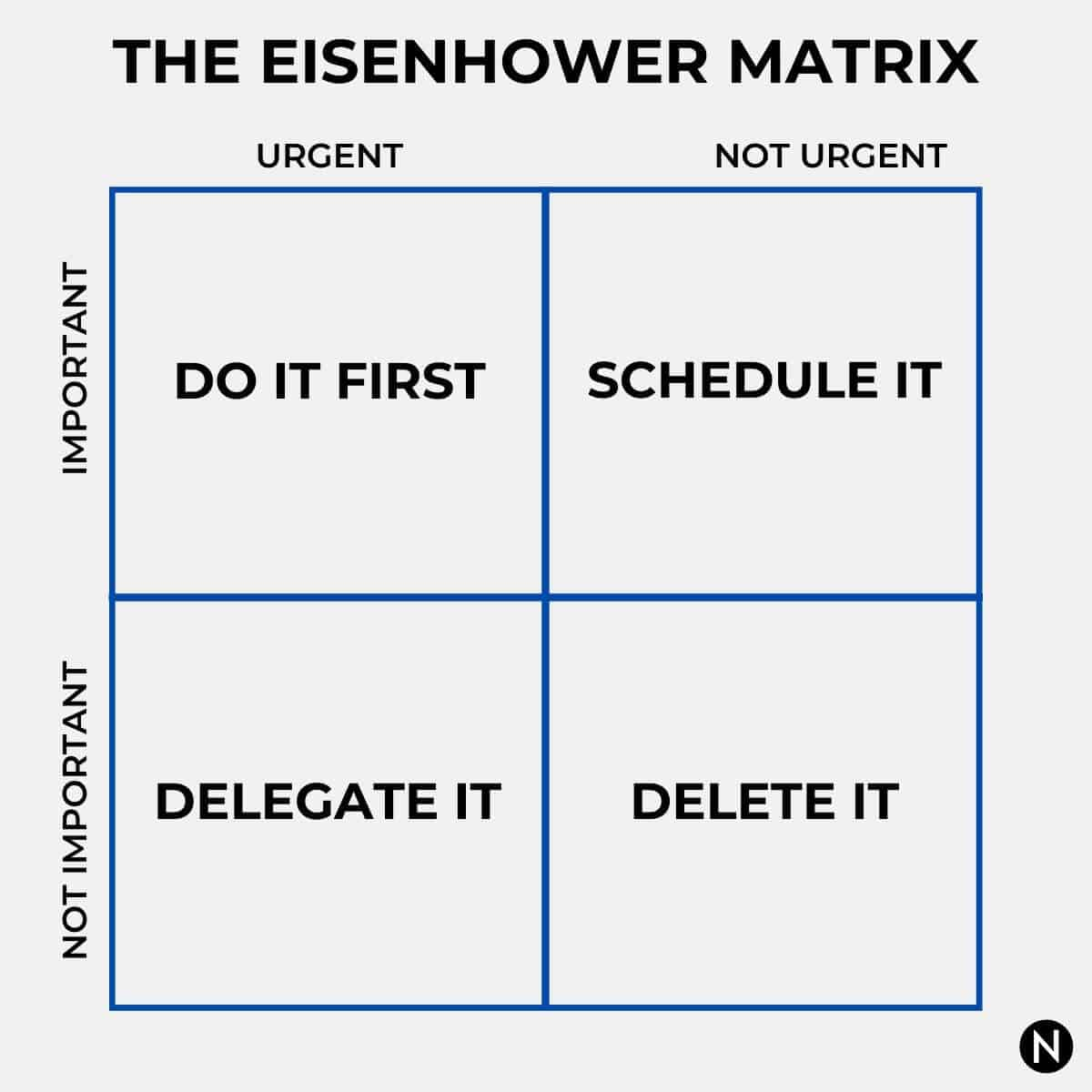
Prioritization tactics:The Eisonhower matrix is the OG prioritization tool. It can help you:
Ok, now you know what to do. Now here are some planning strategies we like:
Now how do you get things done:Some strategies I like include:
|
Paul Millerd
Freelancer, creator & writer
In my workshops, I often use this slide: I'll then ask people to drop in the chat: "What percentile do you think 'high-performance' stands for if 100% is best? Answers flow in: 85% 95% 70% 60% 88% 99% It's almost always like this. I do something like this to show people that while we often have an exact number, it rarely matches what people are thinking or perceiving. This phenomenon is usually referred to as the illusion of transparency. If you can get more specific and exact, you will...
The latest version of Claude can create PowerPoint slides. So I gave it a challenge. Turn this "bad example" I use in my workshops into a good slide based on the principles I share on strategyU.co I gave it this simple prompt that took me no longer than ten seconds to write: Take this slide and take the lessons on slide design on strategyu.co and turn this into a compelling slide, improve the fonts, get to one single insight, match the title and content, and have the title be a clear takeaway...
I started StrategyU to teach knowledge workers the tools, frameworks, mindsets, and approaches that I learned in strategy consulting. When I started this, I thought that my audience would be people in big companies stuck inside strategy, finance, or analytics groups that didn’t have access to training. This was one of the segments that have found value in my work but a second segment that surprised me has been small and medium-sized consulting firms ranging from 5 people to 200. Over the last...